Performance Exhaust Systems
Custom Exhaust Development
Three ways in — a sample, a data set, or the car itself — and one sequence from scan to fitment check.
Custom development is how applications enter the range: a part that does not exist as a production item is developed from evidence the customer supplies. There are three forms of evidence, and so three routes in — a physical sample to replicate, drawings or 3D data to build from, or the vehicle itself for on-car development. The routes, the sequence they share, and what a customer should expect to approve at each stage are set out in full.
- Three routes inSample, data or car
- One sequenceScan to fitment check
- NDA availableFor exclusive designs
- Prototype firstApproval before production
Route One: Development From a Sample
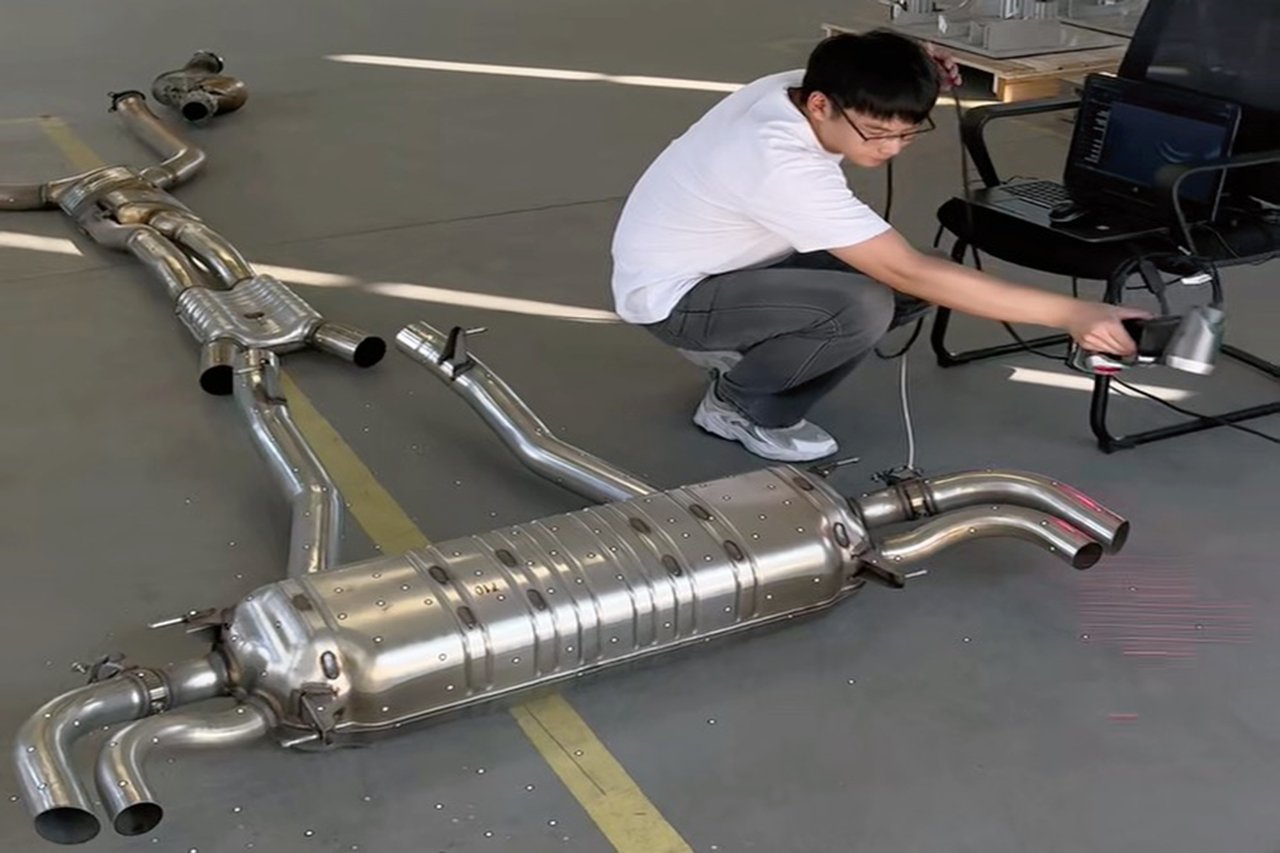
Send the original part — the factory piece or an existing aftermarket part you have the rights to reproduce. The sample is 3D scanned and measured, and the replacement is designed from that data: same fitment, with the construction and finish specified for your program. Sample replication suits buyers whose market already knows the part they want and whose need is a production source for it.
The sample route also anchors quality disputes before they exist: the approved prototype is compared against the sample's fitment, and the sample's interfaces — flanges, bosses, hangers — are the specification the prototype is checked against.
Route Two: Development From Drawings or 3D Data
Send drawings or 3D data and the part is engineered from the data: fixtures are cut to the drawing's interfaces, and the prototype is built and checked against the data. This route suits brands with their own engineering, and programs where the design itself is the customer's property — which is why confidentiality is a standing part of the route: customer designs are held as confidential, and non-disclosure cover is available for exclusive programs.
Data quality decides the route's speed. A complete data set — interfaces, routing, tolerances — goes straight to fixtures; a partial set is completed by scanning a reference part or the car, and the reply will say which before work starts.
Route Three: On-Car Development
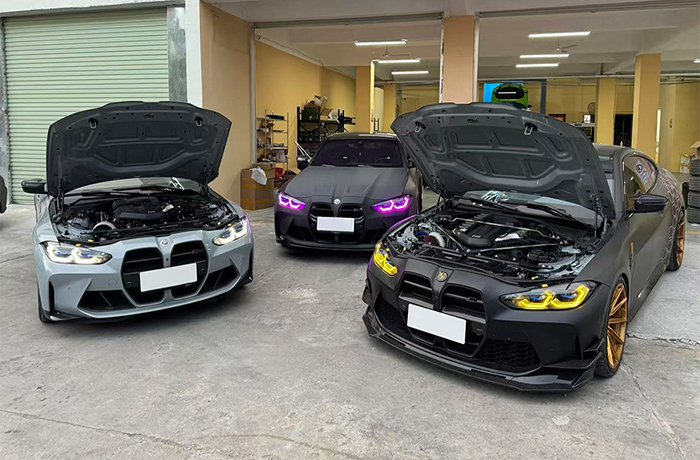
For a vehicle you supply, development happens on the car: the original system is scanned in place, the prototype is fitted and adjusted on the vehicle, and the released design is the one that has already been on the car. The workshop's development photographs show the pattern — cars on the floor with their systems laid out, scanning under way. On-car development suits flagship applications where the engine bay leaves no room for assumptions, and one-off programs where no sample exists to send.
The Shared Sequence: Scan, Design, Fixture, Prototype, Check
Whichever route brings the job in, the middle is the same. The part is scanned or the data ingested; the design is built in CAD; fixtures are laser-cut and CNC-machined; the prototype is bent, welded on its fixture and finished; and the prototype passes the production checks — dimensional inspection against the fixture, weld testing, a smoke and leak test, and a fitment trial — before it is offered for approval.
Approval is a stage, not a courtesy: production does not start until the customer has the prototype's record — and, where the program calls for it, the prototype itself — and has approved it. What is approved is what is produced; changes after approval re-enter the sequence at the design stage.
What to Send to Start a Development Inquiry
State the route you intend, the application, and the program behind the part: quantities are discussed as program shape rather than fixed numbers at this stage, and exclusivity requirements should be stated up front so the confidentiality cover is in place before samples or data move. The reply classifies the job, names the stages it will follow, and quotes the development itself separately from the production it leads to.
Put the custom exhaust development advice to work
Send your vehicle, engine and item list. The right variant is confirmed against the range, then quoted with the hardware it needs.
Send an Inquiry